6 Parking Lot Problems Property Managers Should Never Ignore
As a property manager, your to-do list is never-ending. Parking lot maintenance may seem like an easy task to set aside, but a parking lot is not sepa...
If you are installing a new parking lot or replacing an existing lot, a common consideration is whether asphalt or concrete is best. When comparing these pavement options and determining which is the best parking lot material for your business or property, there are important factors and considerations to ensure it can withstand physical and environmental conditions, meet appearance expectations and support your long-term goals.
In this blog, we'll compare asphalt and concrete parking lots to help you understand your options and make the best choice for your commercial property.
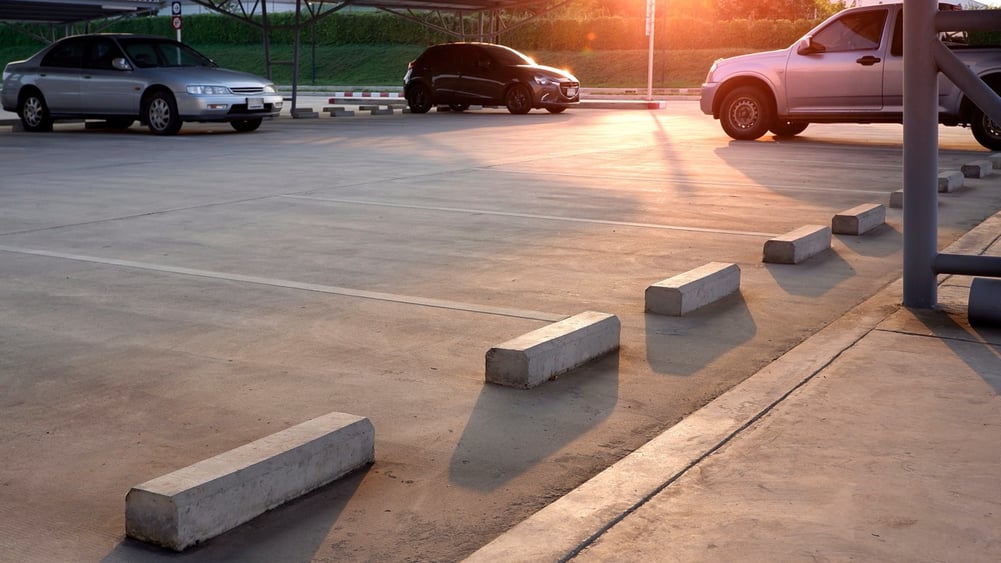
For most commercial parking lots, asphalt is the most cost-effective pavement option; it's also fast to install and easier to repair. On the other hand, concrete offers a longer lifespan (up to 30 years) and requires less ongoing maintenance.
Choose asphalt for lower upfront costs and cold-weather resilience, and concrete for heavy trucking loads or extreme heat.
| Asphalt | Concrete | |
| Cost | Lower | Higher |
| Appearance | Dark, clean finish | Bright, light reflective |
| Install Time | Faster | Slower |
| Maintenance | Easy and affordable | Complex and more costly |
| Cold Weather | Excellent | Good |
| Hot Weather | Good | Excellent |
| Heavy Trucks | Good (with right design) | Excellent |
| Life Span | 20-30 Years (with maintenance) | 30-40+ Years (with maintenance) |
If you are installing or replacing an existing commercial parking lot, it's imperative to make the right pavement selection. Not only is it a significant financial commitment, but it should also be a long-lasting part of your property that supports ongoing traffic demands from visitors, customers, employees and more on a daily basis. Below we'll look at several factors to weigh to help you make the right choice for your business.
If you prefer, we can answer your questions now. Reach out today to talk to one of our pavement experts to discuss your property and specific needs.
Budget and business capital will, without a doubt, be one of the main considerations that business owners and property managers will be considering, but it should not be the only factor. Although asphalt parking lots can be more affordable up front, they can require more ongoing maintenance and associated costs. Budget should be a consideration but not the only piece of the puzzle when deciding what is best for your parking lot.
Another important factor to consider when choosing between an asphalt and concrete parking lot for your property is the type of traffic you expect. Is the traffic constant or periodic? Are the vehicles regular cars, or do they include heavy industrial trucks and semis?
Retail shopping centers, educational campuses, and multifamily housing communities are some of the types of businesses that experience high volumes of daily traffic, where asphalt pavement is an ideal choice for parking lots and drive lanes. However, areas that regularly see heavy truck traffic and large loads, such as industrial manufacturing facilities, distribution centers, and loading docks, can benefit from concrete parking or loading areas. In these zones, concrete is better suited to withstand the repeated stress of heavy vehicles, helping reduce rutting and extend the pavement's service life.
Protecting Industrial Pavement from Heavy Truck Traffic
Local weather conditions matter more than you may realize. Concrete parking lots are best for areas of the country that experience long-lasting extreme heat, such as the Deep South, whereas asphalt parking lots are more durable for parts of the country that experience frigid cold, ice and snow for several months throughout the year, like the Midwest.
Whether you are installing a new parking lot or replacing an existing one, minimizing downtime for your customers and staff is always a priority. The material you choose will dictate how quickly you can reopen.
A freshly seal-coated asphalt lot can handle traffic within 24 to 48 hours.
A newly installed asphalt lot requires a bit more time, needing 48 to 72 hours to cure for standard traffic and one to two weeks for heavy vehicles.
Concrete parking lots require the most downtime: standard cars must wait a full week, while large, heavy vehicles should stay off the surface for about a month.
Concrete is relatively low maintenance; once poured, repairs are minimal. However, when repairs are needed, such as crack filling and joint repair, they are more complex and costly.
Asphalt requires more routine maintenance and repairs more often. Routine maintenance such as crack filling and sealcoating help prevent more costly repairs.
Yes, asphalt and concrete can both be used to build your parking lot, and it's very common for commercial properties and businesses to incorporate both in their builds.
An example of how a commercial parking lot uses both asphalt and concrete could look like:
There is no definitive answer regarding which type of pavement is best for a property.
For most commercial parking lots, asphalt is typically the more practical and cost-effective choice because it installs faster, costs less upfront, performs well in freeze-thaw climates, and is easier to maintain. However, concrete may be the better investment for certain heavy-duty applications or when long-term aesthetics are the priority.
The factors we highlighted earlier in this article can serve as a guide to determine which is the ideal option. However, it still requires careful consideration and professional assessment to make the right selection that's based on your location, business type and facility demands.
Related: Standardize Pavement Maintenance Across a National Portfolio
Although there are exceptions, businesses with similar traffic patterns and operational demands often have similar pavement needs. Here's how asphalt and concrete are commonly used across different commercial properties.
Asphalt is ideal for cold, northern climates such as Minnesota and Wisconsin because it's more flexible, absorbs heat to melt snow, and resists salt damage, while concrete is best for hot southern climates because it stays cool and won't soften under extreme UV rays.
When maintained properly, concrete can outlast asphalt parking lots by 10+ years; however, pavement lifespan is highly dependent on environmental conditions, vehicle traffic and routine maintenance.
Asphalt is generally easier to repair than concrete but requires more routine maintenance to prevent damage and deterioration. While concrete repairs are typically more complex, concrete can provide greater long-term durability in high-traffic, heavy-load areas.
Asphalt can withstand heavy trucks; however, concrete is better suited for businesses and loading areas where heavy trucks and semis are routinely driving and turning on the surface.
Parking lot installation time will depend on the size of the property and the type of pavement used. Once installed, asphalt lots can have standard vehicle traffic within 2-3 days, whereas concrete parking lots require at least a week and up to a month for large, heavy trucks.
Yes, both asphalt and concrete parking lots can often be resurfaced rather than being fully replaced.
Not sure whether asphalt, concrete, or a combination of both is the best fit for your property? The pavement experts at Doctor Asphalt can evaluate your site, traffic patterns, and long-term maintenance goals to recommend the right solution.
From new parking lot installations to repairs and replacements, our professional team delivers cost-effective paving solutions designed for your business.
Reach out today to talk to one of our pavement experts, schedule an assessment of your pavement or get a free estimate.
Doctor Asphalt delivers high-quality asphalt paving and maintenance solutions designed for the unique demands of the local climate. With a strong reputation for reliability and expertise, we provide premium services that enhance the safety and longevity of commercial and residential properties. Serving Wisconsin, Minnesota, and Texas, with nationwide capabilities for multi-property clients, we ensure durable, professional results that keep your pavement in top condition.