6 Parking Lot Problems Property Managers Should Never Ignore
As a property manager, your to-do list is never-ending. Parking lot maintenance may seem like an easy task to set aside, but a parking lot is not sepa...
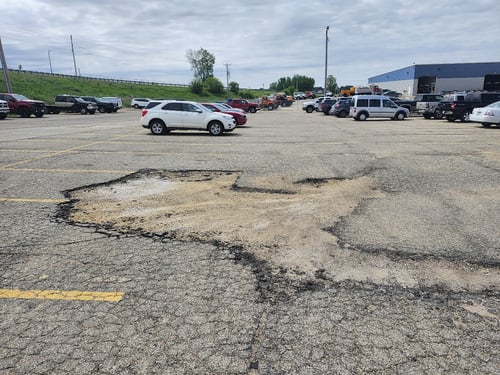
When it comes to fixing potholes and large cracks in your asphalt parking lot, there are two main pavement techniques used: traditional patching and infrared patching. And when you are hiring a commercial paving company to fix these pavement problems in your parking lot, you want to be sure they are well experienced, trusted and use the latest and innovative tools and techniques to deliver the best outcomes for your paved surfaces.
So is one of these methods of patching asphalt better than the other? We'll answer this question and more throughout this article so you can make the best decisions for your parking lot.
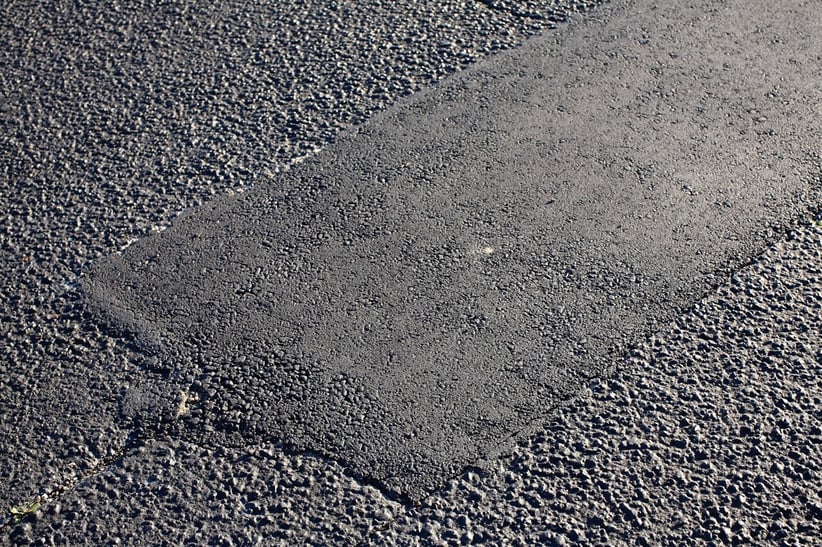
Traditional asphalt patching, also commonly referred to as cut-and-replace or saw-cut patching in the paving industry, involves removing a section of asphalt pavement and pouring fresh asphalt mixture into the void space.
Traditional asphalt patching is often used to repair potholes and wide cracks in pavement. The process begins by using a handheld or walk-behind pavement saw to cut around the damaged area, most often in the shape of a rectangle.
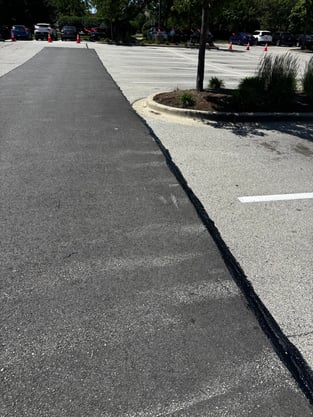 The deteriorated asphalt is then excavated, and the exposed base is prepared before new asphalt mixture is placed and compacted to create a stable repair. While the finished patch may look solid, it does remain a separate section of pavement, with joints, or seams, where the new asphalt meets the existing surface.
Find out How to Spot and Address Early Signs of Asphalt Damage
Infrared patching is an asphalt repair technique used to repair potholes and pavement cracks. With infrared pothole repair, the existing pavement is reheated and combined with new asphalt to create a seamless finish.
Infrared patching works by heating and melting existing asphalt to a workable condition, then mixing in new asphalt to allow thermal bonding between the old and new asphalt, and pouring the mixture over potholes and cracks. Once the mixture has been poured and spread evenly, it is allowed to cool leaving your repaired pavement restored.
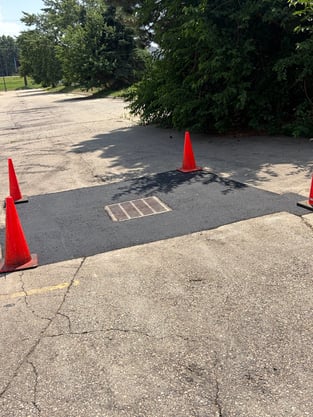 Infrared asphalt patching is not a pavement repair service offered by all commercial pavement contractors, as it requires specialized skills and equipment. Infrared patching can be an advantageous pavement repair solution for commercial businesses and facilities as it is inexpensive, minimally invasive, and repairs damaged surfaces in half the time typical paving repair may take.
Both methods can help prevent existing damage from spreading and extend the usable life of asphalt. Repairing potholes with either standard or infrared patching can restore damaged areas, improving the overall appearance and safety of your parking lot. Because of this, one type of pavement patching is not necessarily better than the other.
Every pavement problem is a little different, so choosing the right repair method starts with understanding what's causing the damage and what technique will provide the best outcomes. That's where our team comes in. We'll assess the damage, identify the underlying issues, and recommend the right solution for your pavement.
The condition of the pavement and the extent of the damage, as well as the cause of the problems, should be the main guide for the decision of what repair method is used.
Conclude by reinforcing that timely repairs can help prevent minor pavement damage from becoming more extensive and costly. Both infrared asphalt repair and traditional patching have a place in pavement maintenance, and selecting the right approach can help property owners protect their investment.
Not sure which asphalt repair method your pavement needs? Reach out to the team at Doctor Asphalt today to schedule a free assessment and get a recommendation for your property.
Doctor Asphalt delivers high-quality asphalt paving and maintenance solutions designed for the unique demands of the local climate. With a strong reputation for reliability and expertise, we provide premium services that enhance the safety and longevity of commercial and residential properties. Serving Wisconsin, Minnesota, Texas, and Florida with nationwide capabilities for multi-property clients, we ensure durable, professional results that keep your pavement in top condition.