6 Parking Lot Problems Property Managers Should Never Ignore
As a property manager, your to-do list is never-ending. Parking lot maintenance may seem like an easy task to set aside, but a parking lot is not sepa...
There are plenty of signs that fall has arrived: pumpkin spice everything, leaves changing colors, and suddenly it's getting dark way too early. For pavement owners and property managers, the approaching autumn may be that reminder that you didn't address those parking lot repairs or pavement maintenance that you planned on handling throughout the summer.
If that's the case, you'll want to read this one so you can understand the impact that fall weather's dropping temperatures and crisp mornings have on asphalt curing time, scheduling maintenance and more.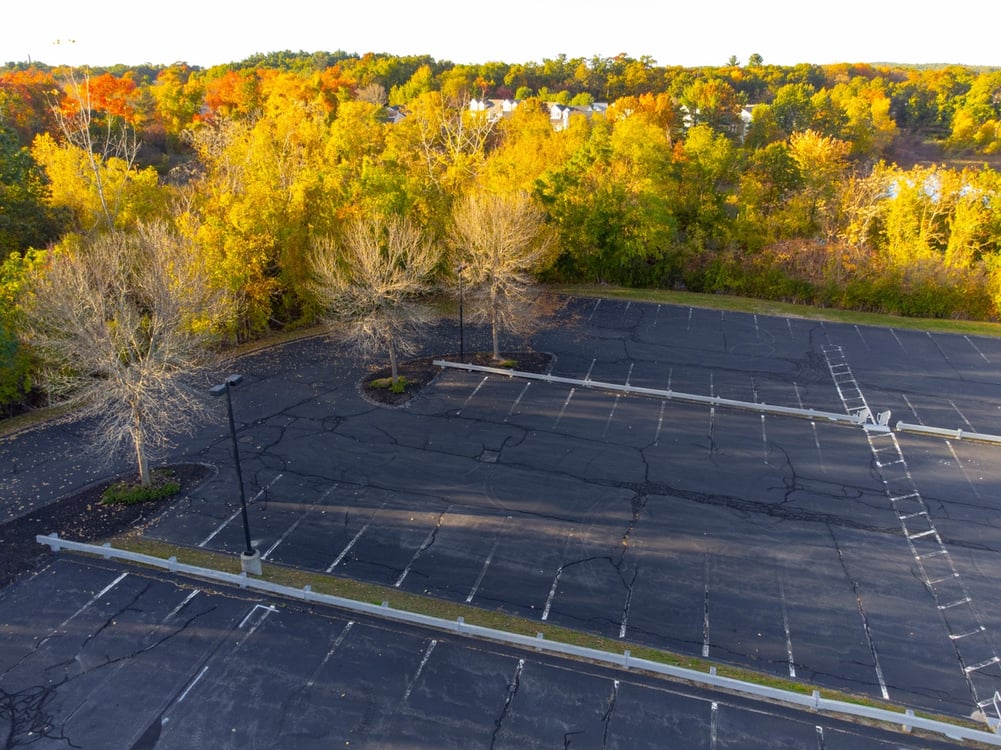
Cooler fall temperatures can slow asphalt curing and affect how quickly pavement is protected from conditions and elements and is able to withstand foot and vehicle traffic. In the Midwest, temperatures begin dropping as early as late August and into early September, and shorter daylight hours and increased moisture make timing especially important for planning asphalt repairs and pavement maintenance.
Asphalt sealcoat requires a bit of a Goldilocks environment to cure properly. It can't be too hot, too cold, or too humid for the best outcomes. When temperatures fall below 60°F, it can slow down the curing process, causing asphalt repairs and sealcoating mixtures to take longer to harden and become ready for vehicle traffic. This temperature drop can also affect the overall durability and long-term effectiveness of the sealcoat.
"Fall doesn't necessarily mean the end of asphalt work; here in Wisconsin, weather conditions matter most, and Mother Nature has a mind of her own. When we work in the southern states, we have more time throughout the year to complete projects, but in the Midwest, taking advantage of the right conditions can make all the difference in getting repairs completed before winter hits." - Anton Vukoty, Sales Manager at Doctor Asphalt, LLC
Because asphalt repairs and sealcoating need optimal conditions, fall time can be challenging because days get shorter, and even if it's warm enough during the day, overnight temperature drops can reduce the number of available days to perform asphalt repair and maintenance services for ideal outcomes.
Springtime is the well-known season for rain showers and thunderstorms, but fall fog, mist and rain happen and can delay planned repairs and maintenance. And as more and more properties attempt to make last-minute corrections to pavement problems and maintenance to promote a safe parking lot in the cool winter months, it can become a busy time for asphalt contractors and juggling schedules when the weather is less than ideal can become a challenge.
A good pavement contractor should evaluate all of these conditions rather than relying solely on a date on the calendar.
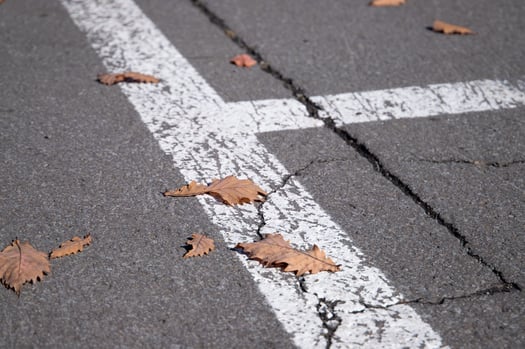 Just because temperatures start to cool down in the Midwest doesn't automatically mean that it's too cold for asphalt work to happen. The type of repair, materials being used, pavement temperature and weather forecast are all important factors that need to be carefully considered to ensure a successful repair process.
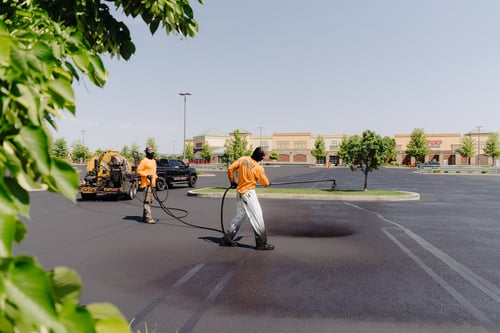
Typically, these asphalt repairs and pavement maintenance can still take place:
Although these can often still happen, even in the Midwest in the fall, late-season applications can be more difficult. It's critical to hire an asphalt contractor, like Doctor Asphalt, who pays close attention to pavement temperature and the weather forecast.
Fall Repairs VS. Spring Regrets: Why Pavement Maintenance Can’t Wait
As we've already discussed, there are several variables that impact the ideal conditions for pavement work, but let's get real about when it's just too cold. This helps you know, but also can help you know if a contractor you are considering hiring has your best interest in mind. For the most part, repairs require air and pavement temperatures of at least 50°F, though it's ideal for temperatures to be slightly warmer, especially for professional sealcoating.
A reliable asphalt contractor should evaluate all of these conditions rather than relying solely on a date on the calendar.
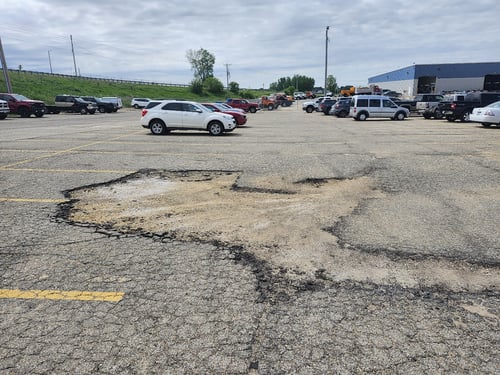
Although it might seem easiest, waiting until spring isn't always the best choice. If your pavement has cracks, potholes or other damage, completing repairs during a mild fall weather window can help prevent the damage from getting worse over the winter months. However, the right timing depends on the condition of your pavement, the type of repair needed and current weather conditions.
Microsurfacing VS. Sealcoating: What's The Difference
If you put off repairs or asphalt maintenance earlier in the year and your pavement problems are only progressing, all hope is not lost. The dedicated team at Doctor Asphalt offers free pavement assessments, so no matter what time of year and what the weather is doing, we will evaluate your parking lot and paved surfaces to provide you with a clear roadmap and multi-year maintenance plan to keep your commercial property's pavement working and looking its best.
Doctor Asphalt delivers high-quality asphalt paving and maintenance solutions designed for the unique demands of the local climate. With a strong reputation for reliability and expertise, we provide premium services that enhance the safety and longevity of commercial and residential properties. Serving Wisconsin, Minnesota, and Texas, with nationwide capabilities for multi-property clients, we ensure durable, professional results that keep your pavement in top condition.