6 Parking Lot Problems Property Managers Should Never Ignore
As a property manager, your to-do list is never-ending. Parking lot maintenance may seem like an easy task to set aside, but a parking lot is not sepa...
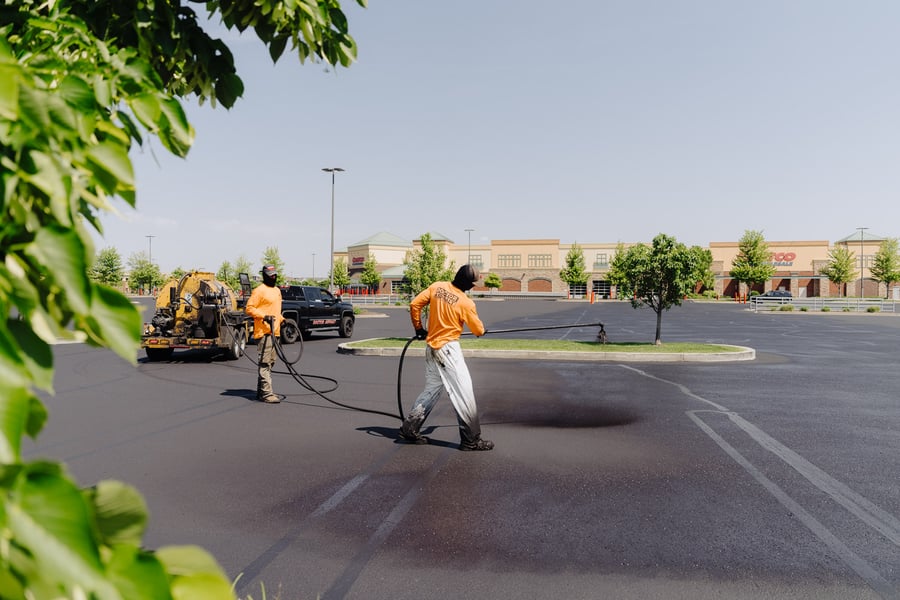
Commercial parking lots withstand heavy daily traffic and environmental conditions, making sealcoating a crucial investment to protect the pavement from vehicles, UV rays, chemicals, and harsh weather.
Unfortunately, not all asphalt paving companies operate with the same standards. When property managers hire the lowest bidder, they often pay the price in premature asphalt failure.
Below we'll break down some of the biggest mistakes corner-cutting asphalt contractors make and how to ensure your property gets the quality treatment it deserves.
Sealcoating is an exact science; the mixture and the application amount must be carefully calculated for a long-lasting, durable asphalt surface. Unprofessional contractors may apply too much sealer in a rush or try to thin it out to increase their profit margins. Commercial asphalt sealer is meant to fill surface pores, not sit heavily on top. Excessive buildup causes premature cracking and flaking, while not enough sealer offers zero protection.
Asphalt composition matters more than you may realize. Not all asphalt mixtures are designed to withstand the constant high traffic that business and commercial parking lots endure each and every day. Because the asphalt mixtures needed for parking lots and commercial roadways are higher quality, some contractors may cut corners by using a non-commercial grade asphalt sealant to save costs. Although it still may look good at first, it won't hold up and will lead to premature deterioration.
Microsurfacing vs. Sealcoating: What’s the Difference
A "blow and go" contractor will skip proper cleaning to save time. Commercial parking lots need more than a quick spray of air before applying sealcoating for the best outcomes.
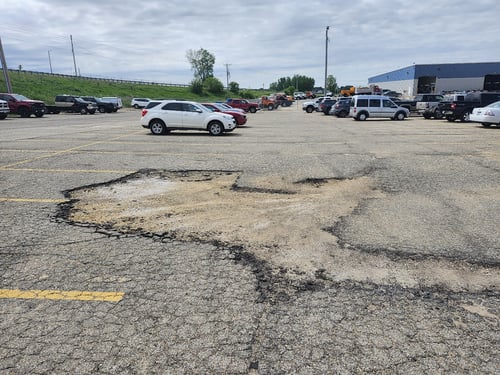
If the asphalt lot isn't properly cleared of leaves, dirt, and oil stains (using wire brooms or power washers), the sealer won't adhere. But it's about more than just cleaning the surface; applying sealer over unpatched potholes or unfilled cracks is useless; the sealer will just sink in and leave the pavement exposed to water damage.
"Anyone can spray sealer on asphalt, but true commercial pavement maintenance happens before the sealer ever hits the ground. If a contractor isn't spending the majority of their time on cleaning, sealing cracks, and patching, you aren't getting a sealcoat that will last. We walk our clients through every step of our scope of work so they know exactly what they are investing in." — Anton V., Sales Manager at Doctor Asphalt
Understanding the Asphalt Lifecycle and When to Sealcoat
Sealcoating requires the perfect "Goldilocks" environment: not too hot, not too cold, and completely dry. Unfortunately, after a string of cloudy, rainy days, bad contractors might try to apply sealcoat in poor weather just to keep their schedules moving. If applied when it is too wet, humid, or cool, the sealant won't adhere properly to the pavement. Conversely, applying a sealcoat during the hottest part of a summer day in direct sunlight causes the material to "flash-dry." This prevents the sealer from penetrating the asphalt properly, leaving a blotchy, patchy appearance on your commercial lot.
One of the biggest concerns property managers and facility directors have about asphalt sealcoating their commercial parking lot is the disruption it will have on their daily operations. Sometimes, just to win a bid, a bad contractor might promise a property manager that the lot will be "ready to drive on in a few hours." But, any contractor making this claim is setting you up for failure. If a contractor isn't talking to you about completion phases, downtime and traffic control during the bidding process, they aren't the right fit.
Sealcoat needs 24 to 48 hours to fully cure, depending on humidity and temperature. If cars drive on it early, it can track sealer everywhere and ruin the finish. This process cannot be rushed, which is why it's important to plan for adequate curing time and keep the area closed to traffic until the sealer has fully set.
A professional commercial asphalt partner understands that your business can't just shut down for three days. That's why pros like the team at Doctor Asphalt focus on project phasing, strict cure times, and clear communication throughout every project we complete.
Related: Do You Need to Close Your Lot for Sealcoating?
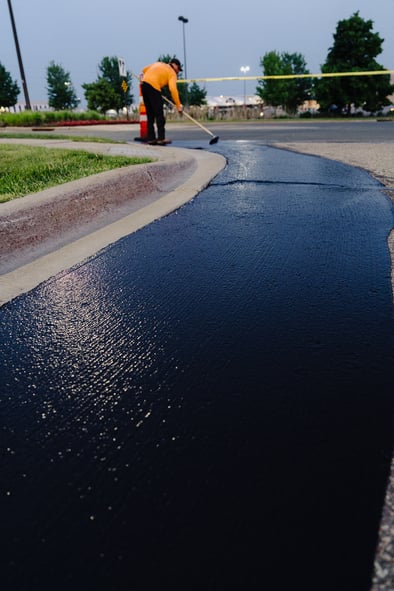
Property managers are under immense pressure to stretch their maintenance budgets, which makes low-ball bids incredibly tempting. But when a contractor cuts corners on surface prep or uses poor-quality sealer, it’s the property manager who pays the ultimate price when repairs are needed in just a few months, and the lot starts crumbling two years later.
We tell our clients: commercial sealcoating isn't just about making the asphalt look black and smooth; it's about protecting a six-figure structural asset. We refuse to compromise on the process. So, how can you spot a corner-cutting contractor before it's too late? Before you sign a contract based solely on the bottom line, look for these key indicators of a reputable commercial paving partner.
A reliable commercial asphalt company shouldn't provide an invoice that just says "sealcoat lot." They outline every part of the job, from cleaning and oil spot priming to pothole patching and crack sealing.
The pros understand you run a business and closing down for 2-3 days isn't an option. A good contractor will schedule work on weekends, nights, or in phases (barricading off sections at a time) to minimize disruption to your operation.
The sealcoating contractors that serve commercial businesses use manufacturer-recommended mixes and apply the precise amount of sealant to ensure your lot has optimal outcomes both upfront and long-lasting results.
Having the proper licensing and insurance protects your property and provides peace of mind throughout the project. It also demonstrates that the contractor meets required industry and legal standards.
Choosing an Asphalt Contractor Beyond Online Reviews
While it may feel dry to the touch in a few hours, commercial sealcoat requires 24 to 48 hours to fully cure before it can withstand vehicle traffic.
Yes, cracks in asphalt should be filled and sealed before sealcoating. Sealcoating is a preventative surface treatment, not a structural repair. All cracks and potholes must be properly filled and patched before the sealer is applied; otherwise, moisture will still penetrate the sub-base.
For most commercial properties in the Midwest (Wisconsin and Minnesota), parking lots should be sealcoated every 2 to 3 years to maintain optimal protection against snow plows, salt, and UV degradation.
At Doctor Asphalt, we don't cut corners. From thorough parking lot surface prep (cleaning, crack sealing, patching) to strategic project phasing that keeps your business open, we take every measure to ensure your lot looks pristine and lasts for years.
Contact us today for a free commercial sealcoating estimate. Whether you're managing properties in Wisconsin, the Twin Cities, or across a nationwide footprint, Doctor Asphalt is committed to being your trusted partner.
Doctor Asphalt delivers high-quality asphalt paving and maintenance solutions designed for the unique demands of the local climate. With a strong reputation for reliability and expertise, we provide premium services that enhance the safety and longevity of commercial and residential properties. Serving Wisconsin, Minnesota, and Texas, with nationwide capabilities for multi-property clients, we ensure durable, professional results that keep your pavement in top condition.