6 Parking Lot Problems Property Managers Should Never Ignore
As a property manager, your to-do list is never-ending. Parking lot maintenance may seem like an easy task to set aside, but a parking lot is not sepa...
Whether you manage a small business or a large organization, you understand the importance of making a strong first impression. One of the first things customers, visitors, and employees notice is your parking lot and frontage roads, and if they're met with pavement problems and blacktop blunders before entering your building, it can shape their perception of your business in ways you may not even realize.
This is just one of many reasons why proactive pavement maintenance matters. But if your parking lot has skipped a few checkups over the years, don't worry; there may still be a remedy.
The pavement experts at Doctor Asphalt are here to help you determine if mill and overlay is the solution your pavement needs.
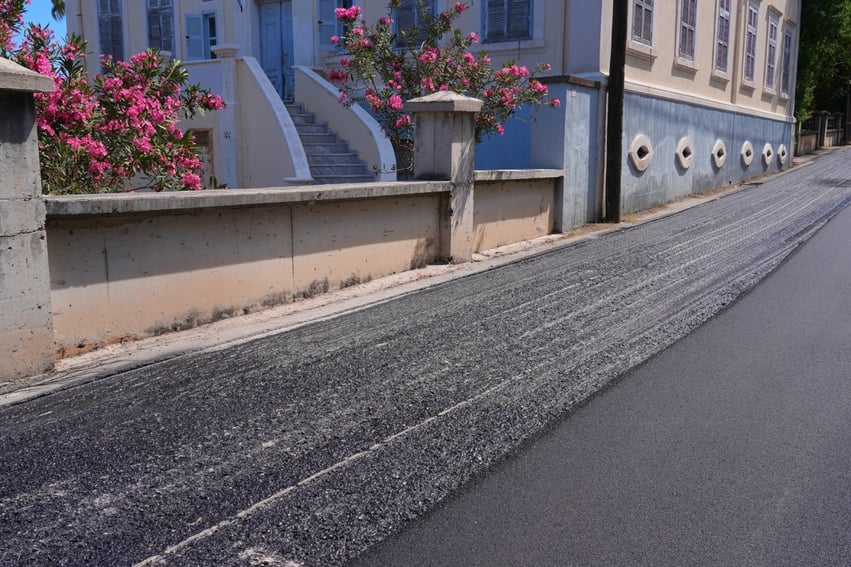
Mill and overlay pavement services involve the strategic removal of the top layer of asphalt and the application of a durable, flexible asphalt mixture to restore a like-new surface.
Below, we'll highlight five signs that your commercial pavement may be due for mill-and-overlay resurfacing.
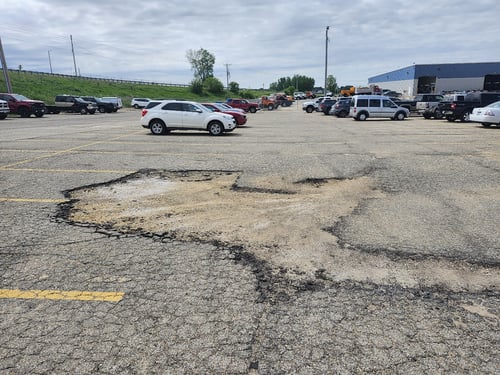
Alligator cracking is a type of pavement failure that looks precisely like it sounds – a series of interconnected cracks that resemble the skin of an alligator. Weak base materials, excessive stress, and poor drainage cause alligator cracking. While alligator cracking is unsightly, it can be an indication that your pavement requires milling and overlay.
Poor drainage in your parking lot can lead small issues to turn into bigger problems and costly pavement damage over time. Some of the most common causes of standing water in parking lots include improper pavement grading, insufficient slope, and poorly placed or clogged catch basins. When water pools instead of draining properly, it seeps into small cracks and weakens the pavement structure. In colder climates, freeze-thaw cycles only accelerate this damage as that trapped water freezes, expands, and thaws, causing cracks to widen. Over time, repeated traffic over these weakened areas can lead to problematic potholes and premature pavement failure.
When poor drainage is caused by improper pavement grading, a mill and overlay can often restore the pavement's surface and correct minor grading issues. By milling away the damaged asphalt and installing a new layer with the proper slope, paving contractors can improve water drainage, which actually addresses the underlying cause of the damage instead of relying on temporary repairs.
Raveling is when the top layers of your pavement deteriorate; it happens when the surface binder breaks down, and aggregate particles loosen and break away, creating a rough, worn surface that can reduce skid resistance, create dangerous driving conditions and lead to further pavement damage if not repaired. If you notice raveling, it is important to have your pavement checked by a professional as soon as possible. If left untreated, raveling can cause extensive damage, including potholes in your pavement and may even require complete replacement.
Over time, asphalt pavement will develop ruts, or depressions, on the surface. These ruts can be caused by various factors, including weathering, vehicle traffic, and improper installation. Rutting can also be exacerbated by poor drainage. If left unaddressed, rutting can damage the pavement’s surface and underlying structure. Asphalt is much more susceptible to rutting. This is because asphalt is a flexible material that compresses under load. In many situations, asphalt rutting can be corrected using mill and overlay; however, if the pavement depressions are greater than 1-2 inches, full-depth reclamation is a more effective method.
The Cost of Delaying Parking Lot Repairs: Why Acting Now Saves Money
Edge deterioration is when the edges of your pavement begin to crumble and fall apart. This happens when the edges of a paved surface are not as well protected from the elements as the rest of the pavement. As a result, it is subject to more wear and tear. If left unchecked, this can eventually lead to cracks, potholes, and other problems.
Minor surface-level damage from edge deterioration can often be addressed with a mill and overlay. However, widespread cracking, severe deterioration, or recurring pavement failures may indicate deeper structural problems. In those cases, a full replacement is often the better long-term solution. The best way to determine the right repair is to have a professional, like Doctor Asphalt, inspect and assess the condition of your pavement to identify the underlying cause of damage and recommend the most effective course of action.
The 5 asphalt pavement issues we've covered above are several signs that mill and overlay or resurfacing may be the right course of correction for your commercial sidewalks, roadways and parking lots. However, this option may require a higher upfront investment, but the long-term performance and reduced maintenance costs can make it the more cost-effective solution over time. It's important to work with a paving contractor who presents options and explains the advantages and disadvantages of each.
If your pavement has widespread cracking, rutting, surface deterioration, or uneven areas but the underlying base is still structurally sound, mill and overlay may be the most cost-effective restoration option.
A professional pavement inspection can evaluate the condition of both the asphalt surface and the underlying base. However, if the damage is primarily affecting the surface layer, a mill and overlay may be recommended. If the foundation has failed, full reconstruction may be necessary.
Mill and overlay should not be used if the pavement has deep structural failures. While milling can remove surface defects, it does not address issues with a compromised or unstable foundation underneath. Problems such as base failures, severe cracking, extensive rutting, deep potholes, and grade failures require full-depth reclamation instead of a simple surface fix.
Mill and overlay can be an effective way to restore pavement performance without the cost of full reconstruction. At Doctor Asphalt, we help commercial property owners extend the life of their pavement with expert maintenance and restoration solutions, including mill and overlay.
Whether you need to improve safety, appearance, or long-term performance, we're here to help you get the most out of your pavement investment.
Contact us today to schedule a pavement assessment and discuss whether mill and overlay is the right solution for your property.
Doctor Asphalt delivers high-quality asphalt paving and maintenance solutions designed for the unique demands of the local climate. With a strong reputation for reliability and expertise, we provide premium services that enhance the safety and longevity of commercial and residential properties. Serving Wisconsin, Minnesota, and Texas, with nationwide capabilities for multi-property clients, we ensure durable, professional results that keep your pavement in top condition.