
When planning pavement maintenance, one of the first questions that comes up is cost, and for good reason. Parking lot and pavement maintenance can be a significant part of budgets for property management, which is exactly why business owners and property managers want to understand not just the price of the work needing to be done, but whether it's worth it and the return on the investment.
Microsurfacing (micropaving) is a pavement maintenance solution that is known for extending pavement life and improving surface durability, but pricing can vary depending on your property, condition, and project scope. In this article, we'll explain what goes into that cost and help you make a more informed, budget-conscious decision.
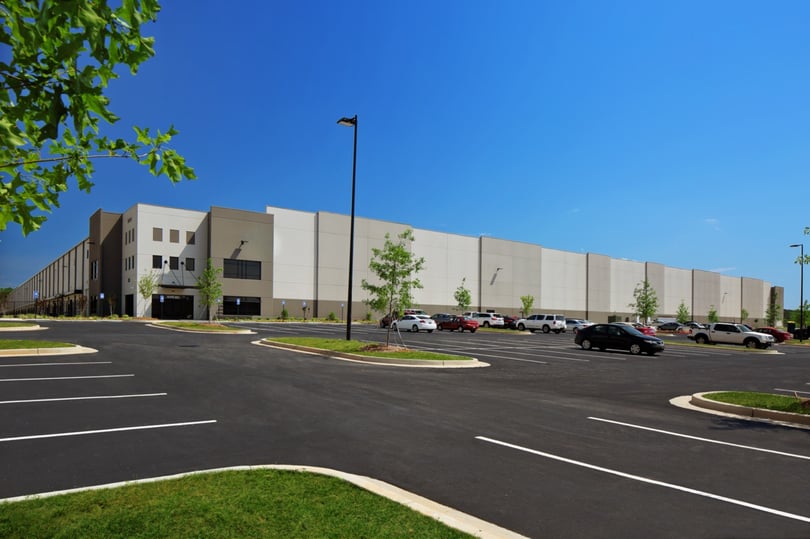
Microsurfacing Costs Key Takeaways
What Is Microsurfacing?
Microsurfacing, also known as micropaving, involves applying a thick layer of polymer-modified asphalt emulsion blended with fine aggregates (very small crushed rocks and sand) to asphalt pavement. The durable mixture is applied as a surface treatment to restore and protect existing pavement, similar to regular sealcoating. Its purpose is to seal asphalt surfaces, enhance pavement texture, and prolong the life of the asphalt pavement.
Average Microsurfacing Cost Per Square Foot
Microsurfacing costs typically range from about $0.35–$0.65 per square foot on large roadway projects, according to transportation research. Microsurfacing for commercial parking lots may fall closer to $0.85–$1.75 per square foot, depending on several factors.
Below, we'll look at some of the variables that impact the total cost for microsurfacing projects.
Key Factors That Impact Microsurfacing Costs
1. Current Pavement Condition
The condition of your parking lot or other asphalt pavement surface will have a direct impact on the cost of your microsurfacing project. If there are cracks, potholes, or other minor structural damage, these repairs will need to be completed prior to microsurfacing and will incur a separate cost. Proper surface preparation is critical to a successful microsurfacing application. Repairs must be addressed in advance, and proper cleaning must be performed for optimal, long-lasting results.
Don't Ignore These Common Signs of Asphalt Trouble
2. Project Size and Scope
The next factor is the size and scope of the job. As with any other pavement maintenance work, the larger area the higher the overall cost of the job. Although in certain situations, the more surface area being addressed can be in your favor and equate to a lower cost per square foot than smaller jobs.
3. Site Accessibility
In open commercial parking lots, this is not always a factor, but there are times when accessibility and ease of access can play a role. If there are tight areas, obstacles, or other location challenges, or a need for traffic control, this can impact overall cost due to the additional time and effort required to properly address them.
4. Location and Logistics
The final factor that affects the cost of microsurfacing is regionality and logistics. Not every pavement contractor provides microsurfacing services, so it's important to determine whether there is a reputable and qualified contractor in your area or if they will need to travel to complete the job. Additionally, labor and material costs vary by state; for example, California generally has higher rates compared to midwestern states like Minnesota or Wisconsin.
Reduce Your Pavement Maintenance Costs with Micropaving
Cost of Microsurfacing vs. Other Pavement Maintenance Options
| Factor | Sealcoating | Microsurfacing | Mill & Overlay |
| Performance | Primarily cosmetic; protects against UV rays, water, and minor wear | Improves surface texture, skid resistance, and corrects minor defects | Restores structural integrity; addresses deeper cracks, rutting, and base issues |
| Lifespan | Every 1-2 years | Every 8-12 years | Every 10-15 years (routine sealcoating maintenance needed) |
| Cost | Lowest upfront cost; most affordable short-term option | Moderate cost; strong balance of cost and performance | Highest upfront cost; long-term investment still requires ongoing maintenance |
Is Microsurfacing Worth the Cost?
Microsurfacing is generally more expensive than traditional sealcoating; however, it offers numerous benefits. Some of these include enhanced appearance, minimal disruption to business operations during application, reduced maintenance needs, and an extended lifespan for the pavement. Due to its long-lasting durability, microsurfacing provides a significantly better return on investment (ROI), especially for large commercial properties.
It is considerably less costly than methods like mill and overlay or full pavement replacement. So, if your pavement is in good condition for microsurfacing, this pavement maintenance technique can help prolong its lifespan and reduce the necessity for major replacement.
Microsurfacing can deliver up to 6 times the lifespan of standard sealcoating, eliminating the need to pay for repetitive contractor mobilization, site prep, and parking lot re-striping every 1 to 2 years. By breaking this cycle of constant reapplication, microsurfacing offers a strong balance of cost and performance. Over a 10-year period, choosing microsurfacing can actually yield a 15% to 20% lower total cost of ownership, while reducing your costly business downtime by up to 75%.
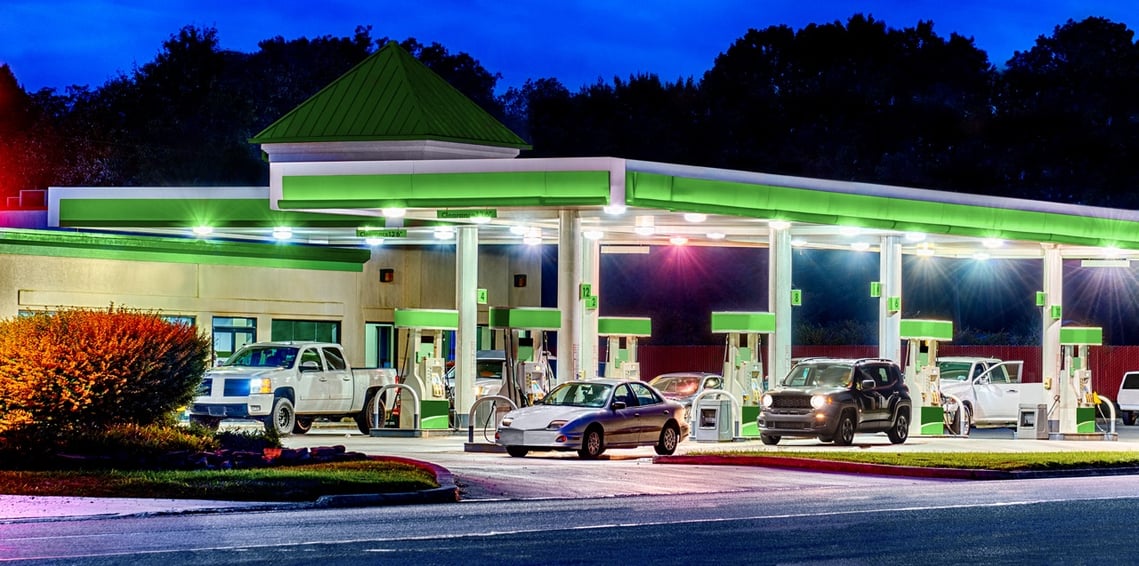
When Microsurfacing Is the Most Cost-Effective Option
Microsurfacing is best utilized as a preventive maintenance strategy when the asphalt pavement surface shows early signs of distress. By addressing these concerns promptly, property owners can avoid more costly repairs in the future and extend the lifespan of the pavement.
For large commercial surfaces, such as retail parking lots or industrial driveways, microsurfacing offers a quick and economical solution. Its ability to minimize traffic downtime is a significant advantage over other options, as vehicles can typically resume use within an hour of completion, minimizing disruption to business operations.
Microsurfacing is a strong option for businesses of all sizes, but the larger the commercial parklot, the more sense it can make. Microsurfacing is particularly beneficial for companies and organizations with a nationwide portfolio, as it can effectively maintain many large pavement investments every 8-12 years, rather than more frequent repairs and annual sealcoating.
How to Get an Accurate Microsurfacing Quote
First things first, when assessing your pavement maintenance costs make sure the company you request a quote from is experienced in commercial microsurfacing. Next, they should schedule a thorough site evaluation. A reliable microsurfacing contractor should take time to discuss your pavement maintenance goals and explain the cost and longevity of each suitable option.
At Doctor Asphalt, we are committed to relationship-based partnerships, comprehensive assessments, educating our clients on suitable pavement options, and high-quality precision work. We provide complete pavement solutions from new parking lot installations and full resurfacing projects to routine repairs, preventative maintenance, sealcoating, crack filling, and micropaving surface restoration designed to extend pavement life.
Reach out to our trusted team with any questions regarding microsurfacing or to schedule your free site evaluation today.
Doctor Asphalt delivers high-quality asphalt paving and maintenance solutions designed for the unique demands of the local climate. With a strong reputation for reliability and expertise, we provide premium services that enhance the safety and longevity of commercial and residential properties. Serving Wisconsin, Minnesota, and Texas, with nationwide capabilities for multi-property clients, we ensure durable, professional results that keep your pavement in top condition.