6 Parking Lot Problems Property Managers Should Never Ignore
As a property manager, your to-do list is never-ending. Parking lot maintenance may seem like an easy task to set aside, but a parking lot is not sepa...
When commercial pavement begins showing signs of wear, property managers and facility management often start exploring maintenance options. Microsurfacing, also referred to as micropaving, is a popular solution for extending pavement life, improving durability, and restoring surface appearance, but it’s not always the right fit for every property.
To help you determine whether it makes sense for your pavement, here are answers to some of the most common questions about microsurfacing.
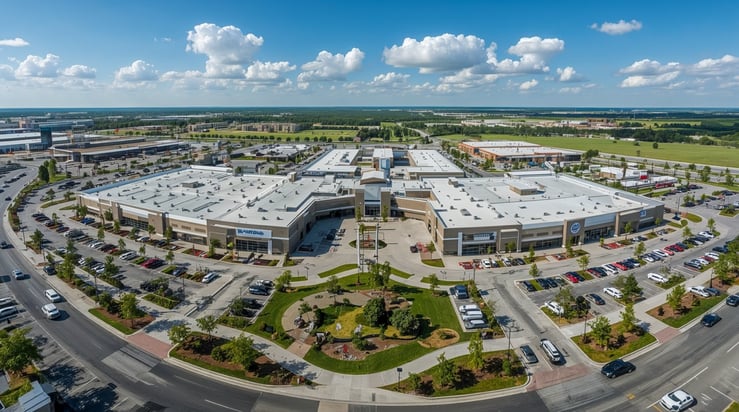
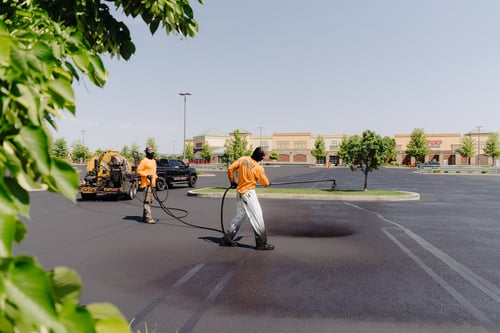
Microsurfacing, or micropaving, is a pavement maintenance technique that involves applying a polymer-modified asphalt emulsion mixed with fine aggregates as a thick layer over existing pavement. It’s designed to restore and protect paved surfaces, including parking lots, walkways, frontage roads and roadways.
Microsurfacing has significant benefits compared to standard pavement maintenance options such as sealcoating. Microsurfacing can be applied quickly, and the treated surface can be opened to traffic more quickly than other methods. Microsurfacing also improves overall durability, helps extend pavement lifespan, requires minimal maintenance and reduces the need for ongoing repairs.
Microsurfacing and sealcoating serve a similar purpose when it comes to asphalt maintenance, but they have significant differences. Sealcoating mainly protects the surface from elements like UV rays and chemicals, while microsurfacing actually adds structural durability that repairs minor cracks and extends the pavement's lifespan. The material makeup of the microsurfacing mixture is more advanced and provides superior performance compared to sealcoating.
Find out more about Microsurfacing vs. Sealcoating: What’s the Difference
Microsurfacing works best for pavement and parking lots that have minor cracks and surface wear. Some raveling and color fading are just fine, but a structurally sound base is the key to moving forward with this comprehensive maintenance solution.
Microsurfacing can be ideal for many use cases, but it's not always the right option.
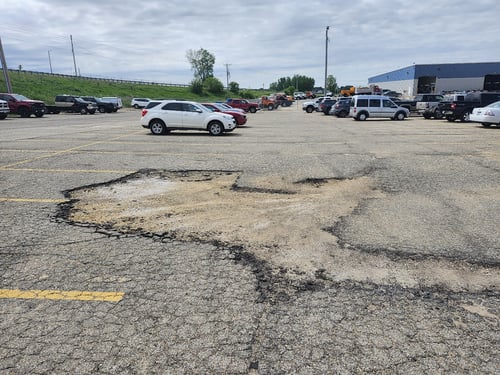
The condition of your pavement will often determine if microsurfacing is feasible. Repairs may be needed prior to microsurfacing to correct potholes and larger cracks.
However, if more complex pavement problems exist, such as long, wide structural cracks, significant drainage issues and base failures, microsurfacing will not correct these issues, and other pavement services will be required to correct these.
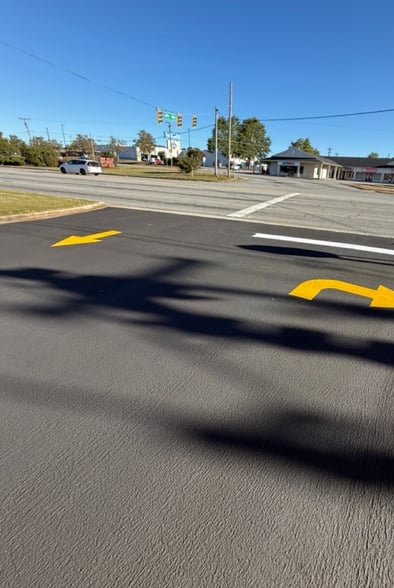
Yes, microsurfacing helps improve both safety and appearance. Freshly microsurfaced asphalt pavement has a restored dark black appearance and maintains this rich look longer than sealcoating alone. Microsurfacing also helps improve pavement texture and has better traction than worn pavement.
Microsurfaced pavement often lasts around 8-12 years, but its lifespan depends on several factors like traffic volume, weather and environmental factors. Although microsurfaced pavements do not require sealcoating, it's still essential to take care of your pavement to further its lifespan, like proper cleaning and addressing any necessary repairs promptly.
One of the greatest advantages of microsurfacing is the fast application and curing time. This is especially positive for commercial businesses, retail properties and residential complexes like condos and apartments. Microsurfacing leads to less downtime, minimal disruption and quicker parking lot openings, which for many businesses equates to less impact on profits.
 9. What Types of Properties Benefit Most from Microsurfacing?
Micropaving offers advantages for a variety of paved surfaces; however, it tends to be particularly effective and cost-efficient in certain environments, such as highly active parking lots and roadways.
Some common types of properties include:
When considering pavement maintenance options, microsurfacing provides a strong return on investment. It is generally less expensive than more intensive methods like mill and overlay, but more costly than standard sealcoating, though it provides greater durability and a significantly longer lifespan. The overall cost for microsurfacing will vary based on factors including the size of the area being treated and its current condition.
Get the full breakdown on How Much Microsurfacing Cost
The best way to determine if microsurfacing is right for your property's pavement is to get a thorough on-site assessment. A professional pavement evaluation can help determine whether microsurfacing or another solution will deliver the best long-term results.
At Doctor Asphalt, we build relationship-based partnerships with our customers. Our team starts by completing a comprehensive assessment and educating you on the most suitable pavement options for your paved surfaces. We provide complete pavement solutions from new parking lot installations and full resurfacing projects to routine repairs, preventative maintenance, sealcoating, crack filling, and microsurfacing designed to extend pavement life.
Reach out to our trusted team today and schedule your free on-site evaluation.
Doctor Asphalt delivers high-quality asphalt paving and maintenance solutions designed for the unique demands of the local climate. With a strong reputation for reliability and expertise, we provide premium services that enhance the safety and longevity of commercial and residential properties. Serving Wisconsin, Minnesota, and Texas, with nationwide capabilities for multi-property clients, we ensure durable, professional results that keep your pavement in top condition.